Commercial Waste Removal in Finsbury Park

Commercial waste removal in Finsbury Park needs a service that is organised, straightforward and suited to the pace of business premises. We handle recurring and one-off waste from workplaces, shops, hospitality settings, studios, managed properties and other commercial sites, with a focus on keeping collections tidy and predictable. The aim is simple: remove unwanted material efficiently, separate reusable or recyclable items where appropriate, and leave the premises ready for normal use with as little interruption as possible.
Our commercial collections can cover mixed business waste, bulky items, furniture, office materials and other non-hazardous loads generated during day-to-day operations or a clear-out. Different premises create different streams of waste, so the service needs to account for access, loading points, handling requirements and how the items are stored on site. In practice, that means sensible planning, clear communication and careful removal rather than a rushed clear-up that leaves extra sorting behind.
For businesses that want a clean handover of surplus items, a practical removal plan helps reduce disruption. You can keep the process simple by identifying what is staying and what is going, especially when there are multiple rooms, shared entrances or mixed storage areas. If you are comparing options, start by reviewing the service pages that match the type of waste you need removed and then request a quotation once the job scope is clearer.
Business waste collections for everyday commercial premises
Businesses often need waste taken away without turning the site upside down. Offices, retail units, clinics, small workshops and hospitality spaces all generate material that builds up in storage rooms, back-of-house areas and corners that are too awkward for ordinary bins. Our business waste removal service is designed to clear those items in a controlled way, whether the load is a modest amount of surplus stock packaging or a larger accumulation after a refit, move or internal reorganisation.
The most useful collections tend to be the ones that are planned around the working environment. That includes understanding whether the waste is stacked in a basement, upstairs room, rear yard or managed entrance, and whether there are items that need to be dismantled before lifting. If you want to check related options, the business waste removal page gives a straightforward starting point for this type of work, while the main waste service can suit broader mixed loads. A concise description of the items is usually enough to begin.
Where businesses are clearing out dated equipment, shelving, boxed paperwork or broken fittings, the work often benefits from sorting by category before removal. That is especially useful when the site includes both items for disposal and items that should be kept, reused or redistributed internally. Clear separation at the start saves time later and helps the crew move through the premises safely. If the collection relates to a wider tidy-up, it can also be helpful to note access times so the removal fits around staff, deliveries or customer footfall.
Office and workspace clearances

Office waste is rarely limited to paper alone. Workspaces often need old desks, chairs, cabinets, computer surrounds, storage units, boxed stationery, redundant fittings and miscellaneous items removed together. An office clearance can be useful during relocations, lease ends, refurbishment works or when a room has accumulated more than the site can easily manage in-house. The important point is that the clearance should be ordered around the space, not the other way round.
If your premises need a more focused clearance of furniture and office fixtures, the office clearance page is the best place to review that kind of work, while the furniture clearance service suits premises where the main task is removing desks, seating or storage units. For some jobs, confidential material may need separate handling. In those cases, the confidential shredding page may be relevant alongside the main collection booking.
Office work is often easiest when the layout is defined in advance. A quick note about lifts, stairways, parking or restricted access can prevent delays, but you do not need to overcomplicate the request. Two useful details are the types of items and the way they are grouped. If a room contains mixed office material and general waste, it is better to say so plainly than to guess how it should be categorised. That lets the collection be planned accurately and keeps the quoting process practical.
Furniture, fixtures and bulky item disposal
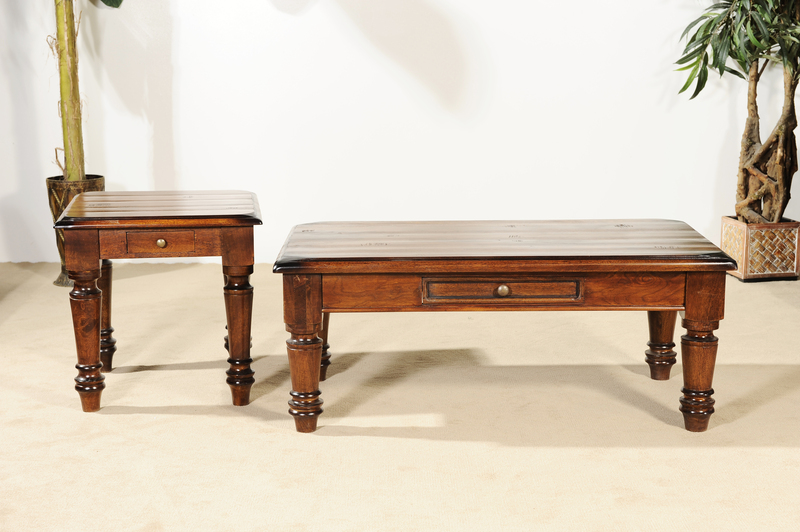
Bulky items are common in commercial settings because they appear whenever premises are upgraded, replanned or vacated. We remove chairs, tables, filing cabinets, shelving, display units and other large items that are difficult to move using ordinary waste arrangements. The service is useful when furniture is still inside the building, stacked in storage or assembled in a way that needs a bit of handling before it can be taken away.
When furniture is the main part of the load, the relevant pages can help narrow down the task. The furniture disposal page is useful when the emphasis is on getting individual items removed, while the mattress and sofa disposal page covers certain larger household-style items that may also appear in hospitality or managed-property settings. If you have a mixed commercial load, those pages can sit alongside the general service rather than replacing it.
Not every bulky item needs the same approach. Some pieces can be lifted directly, while others need to be broken down first, especially if they are awkwardly shaped or positioned in tight spaces. That is why it helps to mention whether the items are freestanding, fixed, nested together or partly dismantled already. A quotation is usually easier to prepare when the collection is described by item type and access conditions, rather than by a simple estimate of volume alone.
Clearances for storage rooms, garages and shared back areas
Commercial premises often keep surplus material in rooms that are not part of the customer-facing environment. Garages, store cupboards, service yards and shared back areas can fill up with mixed waste over time, especially when packaging, broken stock, spare fixtures and obsolete equipment are pushed aside for later. A clearance in these areas needs to be methodical because the available space is often limited and the contents are rarely uniform.
For this kind of work, the garage clearance page can be helpful when the load is concentrated in a detached or internal garage-style space, while the loft clearance page may be useful where the waste has been stored overhead or in a roof space. If the items are being removed from a broader storage area across the premises, the general commercial collection service may be the more suitable entry point.
The practical decision here is not just what to take away, but how the removal should be sequenced. Large items may need to come out first so smaller waste can be accessed safely afterwards. In mixed storage rooms, it is sensible to identify anything fragile, sharp or particularly heavy before the collection begins. That does not turn the job into a complicated project; it simply keeps the work orderly and helps reduce unnecessary handling.
Site-specific waste types and specialist disposal choices

Some commercial waste needs a more specific route than a general collection. Appliances, certain electrical items and some categories of hazardous material require extra care, different handling or a separate disposal decision. Businesses should not mix those items casually into an ordinary clear-out. It is better to identify them first so the collection is planned in the correct way and any restrictions are respected from the outset.
If your load includes appliances, the fridge and appliance removal page is the appropriate reference point for those items, while the hazardous waste disposal page is the relevant destination for waste that needs special attention. For businesses making broader decisions about segregation and disposal methods, the what can go in a skip page may also help explain what should be separated before a collection is arranged.
In commercial settings, the value of a proper waste plan is often in avoiding confusion rather than speed alone. If a load contains a mixture of standard items and restricted materials, the safest approach is to identify the categories clearly, then decide what should be removed together and what should be dealt with separately. That distinction matters because it supports a cleaner, better organised clearance and reduces the risk of a collection being delayed on the day.
Pricing factors and quotation preparation
Quotation work for commercial waste removal is usually shaped by a small number of practical factors. These include the type of material, how much there is, whether the items are bulky or awkward, how easily they can be reached and whether any additional handling is needed on site. A neat, accessible stack of mixed office items is different from a dispersed clear-out across several rooms, and the quotation should reflect that difference.
For customers who want to compare service details before they enquire, the pricing and quotes page is the obvious place to review the approach in more detail. It can be useful to gather one clear list of the main items, plus any limits on access, parking or collection times. Two short notes usually do the job: what needs removing and where it is located. That is enough to support an accurate conversation without making the process feel administrative.
There is no need to produce a long inventory unless the job is unusually mixed. A few well-chosen details are often better than pages of guesswork. If certain items are fixed in place, partially dismantled or stored in a basement, mention that. If the building has narrow stairwells, goods lifts or loading bay rules, mention those too. Specific information leads to a more useful quotation because it allows the collection to be sized around the real conditions rather than a rough assumption.
Preparing the site for collection
Most commercial clearances go more smoothly when the waste is grouped in advance. That does not mean moving everything to one point if the items are too heavy or awkward; it simply means identifying the loads and making them easy to find. In a busy office or trading premises, keeping the collection area clear of unrelated stock and temporary obstacles is often enough to make the work easier and more orderly.
It also helps to note the practical details that affect access. Shared entrances, timed deliveries, locked service doors and restricted parking can all influence the sequence of the job. If the collection must fit around staff or customers, say so when asking for a quotation. For some businesses, the book online page offers a convenient route to begin that process, while the general contact us page is equally suitable if you prefer to discuss the plan first.
Useful preparation is simple, not elaborate. Keep the load visible, keep the route clear and point out anything that should not be touched. If there are items that need to stay on site, separate them clearly before the crew arrives. That gives everyone a cleaner start and reduces the chance of sorting work being repeated unnecessarily. The aim is a professional collection that respects the working environment as much as the waste itself.
About Finsbury Park
Finsbury Park is a well-known district in north London that takes its name from the large public park at its centre. The park itself opened in the nineteenth century and remains one of the area’s defining features, with broad open spaces, sports facilities and tree-lined paths that create a strong contrast with the surrounding urban streets. The district sits across parts of the London Boroughs of Islington, Haringey and Hackney, which gives it a layered identity that reflects the way many north London neighbourhoods developed around transport and growth corridors rather than a single historic parish boundary. Over time, the area became associated with dense residential streets, mixed commercial frontages and steady movement through the transport interchange that now carries the same name. Finsbury Park is also notable for its transport connections and for the mix of architecture around the station approaches and nearby residential roads. Victorian and Edwardian terraces remain prominent in many streets, while later infill and redevelopment have added a more varied townscape. The area’s high streets and side roads carry a mixture of independent businesses, everyday services and food places, which contributes to a busy local character rather than a purely residential one. Nearby Arsenal’s former ground at Highbury and the wider history of north London football, music and migration have all helped shape the district’s cultural associations, although the park itself remains the most immediate landmark in the public imagination. Its combination of open space, urban density and strong transport links makes it a distinctive part of inner north London.
Mixed commercial waste and general removal support
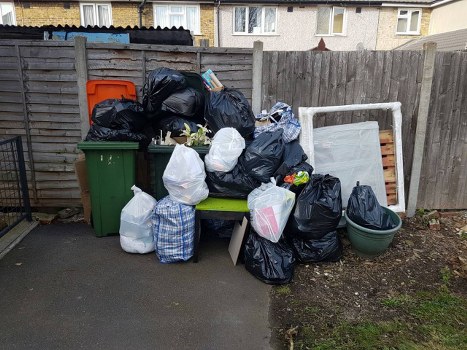
Not every job fits neatly into one category. A commercial clear-out can involve a mixture of office furniture, packaging, general rubbish, display fixtures, storage items and other non-hazardous material that has built up across different parts of the premises. In those situations, the best approach is usually a broad collection that takes the overall load away in one planned visit, rather than splitting the task into several unconnected steps.
The main waste removal page provides a general route for this wider type of work, while the builders waste clearance page is more relevant if the commercial site is coming out of refurbishment or light construction activity. If the job includes items from a domestic-style flat or shared accommodation above the premises, the flat clearance page may also be worth checking where the load and access pattern match that kind of space.
Commercial customers often prefer a straightforward answer about what can be included in one collection. The honest answer is that the load should be described clearly, then matched to the most suitable service route. If you are unsure whether an item belongs with general waste or with a more specific disposal category, list it separately and ask for guidance as part of the quotation request. That keeps the process practical without overstating what can be assumed from a brief description.
When to choose a targeted clearance page
Some premises need a targeted clearance rather than a broad commercial collection. A stockroom with redundant chairs, a kitchen area with old appliances, or a property management job with a mix of furniture and loose waste may benefit from a page that matches the main item type more closely. That does not mean the wider service is unsuitable; it simply means the task can sometimes be described more accurately through a narrower route.
The house clearance page and home clearance page are available where the load is more domestic in nature, while the garden clearance page may be useful if outside areas are involved and the waste is green or outdoor-related. For internal spaces, the commercial and office pages often remain the best fit. Choosing the right page saves time because it helps define the main material stream before the request is sent.
If your job includes several item types, think in terms of the main proportion of the load and the access conditions, not just the first thing you see. A collection can still be arranged around a mixed set of items, but the description should remain grounded in what is actually there. Accuracy matters more than breadth when you are choosing which service route to follow. Once the main category is clear, the rest usually falls into place.
Request a quotation
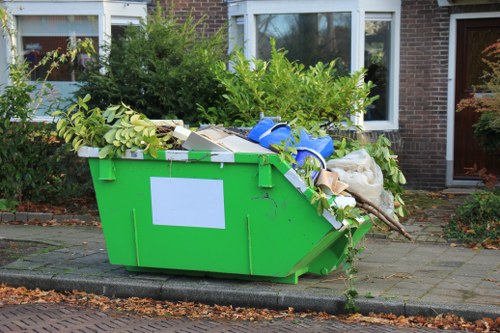
If you need commercial waste removal in Finsbury Park, the quickest way to move forward is to send a clear summary of the items, the location within the premises and any access details that may affect collection. That gives us the basics needed to shape a sensible quotation and match the work to the right service path. For many businesses, the next step is simply deciding whether the load is mainly office, furniture, mixed commercial waste or a more specific item type.
You can use the pricing and quotes page to start that process, or go straight to contact us if you want to outline the job in plain terms first. Keep the description focused on the actual waste, where it is kept and whether anything needs special handling. Then, when you are ready, ask for a quotation and we will work from the details you provide.
Ready to clear the space? Send the job details now and request a quotation for your commercial waste removal in Finsbury Park.